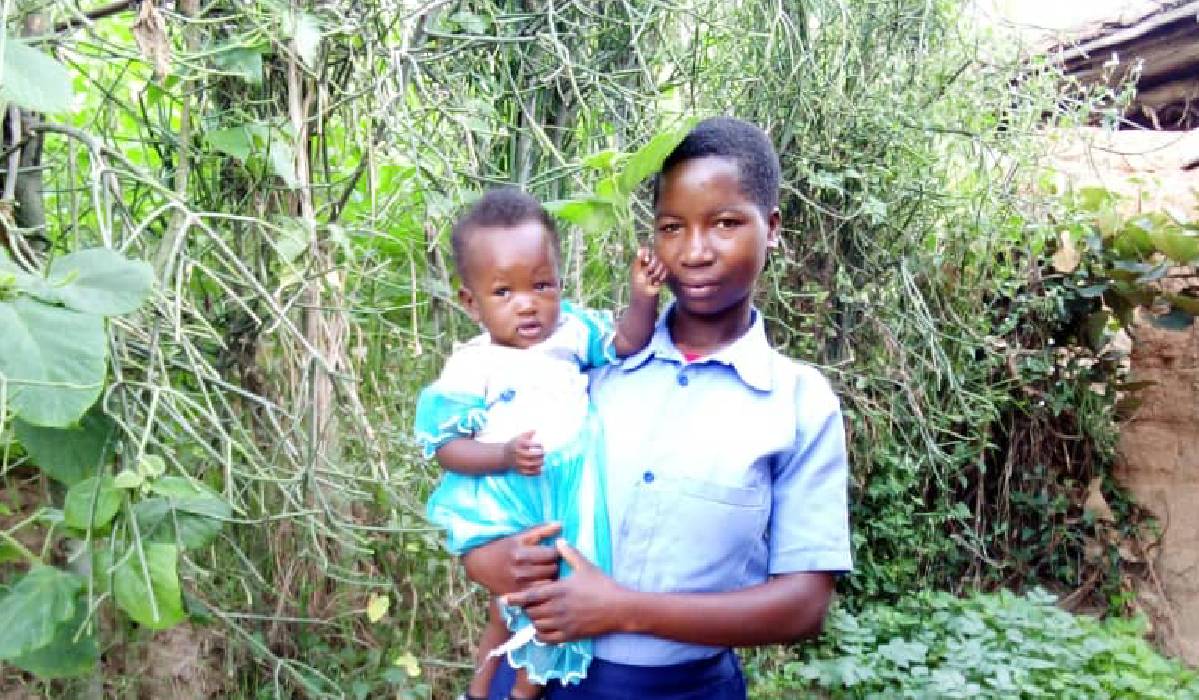
Right to Due Process: Mutesi’s Story
Mutesi Judith’s ordinary life was shattered in July 2024 when she found herself accused of defiling 2 young boys that were under her care. What began as a neighbor’s suspicion quickly escalated into formal charges. Despite the absence of corroborating evidence, she was facing a possible sentence of life imprisonment, the maximum penalty for defilement of a child under 14 in Rwanda.
With no lawyer to guide her and no means to defend herself, Mutesi remained in prison for several months awaiting trial, with no understanding of how to challenge the allegations against her. Recognizing her vulnerability, the Rwanda Correctional Service referred her case to the Legal Aid Forum for legal aid. LAF assigned an advocate who, after reviewing the file, found that the prosecution’s case relied heavily on an alleged confession, while medical examinations showed no injuries, no infections, and no clinical signs of abuse. The witness account amounted to suspicion rather than proof.
The defense argued that the inconsistencies and lack of forensic evidence failed to meet the threshold of guilt beyond reasonable doubt. After examining the pleadings, the court dismissed all charges and acquitted Mutesi and released from prison in March 2025.
Her story is a powerful reminder that due process, including legal representation, proper evidence and the presumption of innocence, is essential to preventing irreversible injustice.